UW Power Up Stories: Real Partner Takeaways from Power Up 2026
The real heart of the Utility Warehouse Partner opportunity
There are moments in business when the numbers matter. The promotions, the incentives, the targets, the customer gathering and the team growth all have their place. But every so often, you are reminded that the real heart of the Utility Warehouse Partner opportunity is not just in the numbers. It is in the people.
That was very clear following Power Up 2026, during a recent Big Night In hosted by Senior Group Leader Hannah Grover. The discussion brought together Utility Warehouse Partners who had attended Power Up, taken action after the event and, in some cases, already qualified for the GoGo promotion.
The conversation covered Power Up feedback, GoGo momentum, practical Partner activity, social media, team building, events, residual income potential and double promotions. But more than anything, it highlighted something important: people build Utility Warehouse for very human reasons.
Some want more income. Some want more flexibility. Some want to support their family. Some want to build something long term. Some are rebuilding confidence. Some are looking for a way to create choices around busy family lives, health challenges, caring responsibilities or changing circumstances.
For anyone looking at the Utility Warehouse Partner opportunity from the outside, that is probably one of the most valuable things to understand. This is not just about a business model. It is about what people choose to do with it.
Save | Earn | Refer | Get further info | Ask questions | Or call Jeremy on: 01527 523 013 / 07726 196 153.
Why These UW Power Up Stories Matter
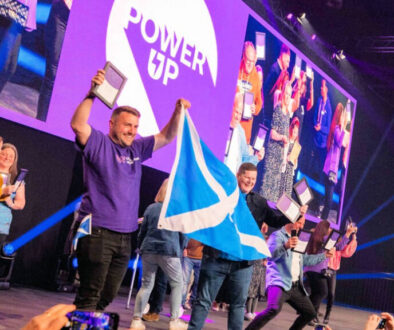
Power Up 2026 was clearly an important event for the Partners who attended. From the feedback shared afterwards, it was not simply about hearing announcements or learning about incentives. It was about belief, association, practical ideas and seeing ordinary people building something meaningful.
That is why these UW Power Up stories matter. They show the opportunity through real examples rather than theory. They show people building around maternity leave, family pressure, disability, busy schedules, team growth, local meetings, social media, LinkedIn, customer conversations and long-term goals.
A business opportunity can look very different from the outside compared with how it feels when you hear real people explain why they started, what they are learning and how they are taking action. These stories help bring the Utility Warehouse Partner opportunity back to its most important foundation: people helping people.
Power Up also created a very clear sense of momentum. Partners spoke about leaving the event with renewed energy, clearer action steps and a stronger understanding of why being in the room matters. That is not just a motivational phrase. Events can help people see what is possible, especially when they hear from others who are building in real-life circumstances rather than perfect ones.
“My life is highly scheduled and far from simple, but that is why I believe people need to run their own race. You do not have to build like somebody else for this opportunity to matter.” — Sarah Mistry, Utility Warehouse Partner.

Rachel’s Story: Starting During Maternity Leave and Taking Action
One of the strongest stories came from Rachel, who had joined Utility Warehouse only six months earlier. At the time of the discussion, she was already a Team Leader with 49 personal customers. That is impressive, but the story behind it is more important than the number.
Rachel joined while she was on maternity leave. She spoke honestly about feeling guilty buying a £4 coffee while living on maternity pay. Her son had been born prematurely, which meant she was thrown into reduced maternity income earlier than expected. Like many people, she was not looking for a business because everything was perfect. She was looking because real life had created pressure.
That is an important distinction. Many people who look at a second income or flexible business opportunity are not doing it from a place of spare time and perfect confidence. They are doing it because something in life has made them think, “I need to do something.”
Rachel’s experience shows how quickly momentum can build when somebody makes a decision and takes consistent action. She attended both days of Power Up 2026 and came away with a strong sense that she had needed to be there. She spoke about messaging people, following up with those she had previously spoken to, posting consistently on social media and using pockets of time while her son was asleep.
That is a very practical lesson for anyone considering becoming a UW Partner. You do not always need huge blocks of time. You do need consistency, courage and a willingness to start conversations. Rachel also made an important point about visibility. People had started coming to her because when they thought about looking at their energy tariff, she was the person they thought of. That is what consistent, authentic activity can do over time. You become known for what you do.
Rachel’s story shows that momentum does not always begin in perfect circumstances. Sometimes it begins because real life creates a reason to take action.
“The long-term value of this business is not just in short-term activity. It is in building something that can create choices, ongoing income potential and more security for the people you care about.” — Tamsin Ford, Utility Warehouse Partner.
Sarah’s Message: Run Your Own Race
Another powerful contribution came from Sarah Mystery, a Senior Team Leader with a very demanding family life. Sarah spoke about her eldest daughter, who was born prematurely and has several medical conditions and disabilities. She also has a younger child, which means her life is highly scheduled and often challenging.
Her message was not that building a Utility Warehouse business is easy. It was much more useful than that. Her message was that people can build in different ways, at different speeds and around different circumstances.
That phrase “run your own race” is one of the strongest messages from the whole discussion. In any business, it is easy to compare yourself with someone moving faster than you. Someone reaches a promotion more quickly. Someone gathers more customers. Someone seems to have more confidence, more time or a larger network.
But comparison can stop people from taking action. It can make someone feel that if they cannot build at the same pace as another Partner, they should not build at all. Sarah’s story challenges that idea.The Utility Warehouse Partner opportunity is flexible, but flexible does not mean effortless. It means people may be able to build around their life if they are realistic, consistent and properly supported. Some will build quickly. Others will build more gradually.
Some will have large amounts of time to commit. Others will work in smaller pockets around family, work, caring responsibilities or health challenges. The point is not to copy someone else’s pace. The point is to decide what you can do, then do it consistently.
Sarah’s message was simple but powerful: run your own race. You do not have to build like somebody else for the opportunity to matter.
Being in the Room: Why Power Up Created Momentum
A major theme from the discussion was the importance of events. This came through from Rachel, Sarah, Kerry, Emma Sullivan and others. Again and again, the message was that you have to be in the room.
That does not mean an event magically builds a business for you. It means that events can change belief, and belief often comes before action. When someone hears real stories, sees active Partners, listens to leaders and spends time with people who are moving forward, the opportunity can feel more real.
Power Up 2026 seemed to do exactly that. It helped people connect the practical side of the business with the personal reasons behind it. It also gave Partners immediate action points, especially around GoGo, customer gathering, social media, follow-up and team support.
Emma Sullivan made a very useful point about using events to promote the next event. In other words, the momentum should not stop when one event finishes. A major event such as Power Up can lead into local buzzes, team meetings, coffee catch-ups and then the next larger event, such as Amplify.
This is especially relevant for newer Partners. A big national event can feel exciting but also overwhelming. A smaller local meeting can be a stepping stone. It gives people a chance to meet others, ask questions, feel part of the culture and build confidence before attending larger events.
In my view, this is one of the underappreciated parts of building a UW business. The tools matter. The training matters. The customer proposition matters. But association matters too. Being around positive, active, supportive people can change the way someone sees their own potential.
Power Up reminded many Partners that belief often grows through association — by hearing the stories, seeing the success and spending time with people who are taking action.

GoGo: A Timely Incentive, Not the Whole Story
The GoGo promotion was clearly one of the big talking points after Power Up 2026. As explained in the discussion, Partners who were in the room at Power Up had the opportunity to qualify for the incentive, where customer gathering during the relevant period could be supported by additional customer credits from the company.
It created excitement because it gave Partners a clear reason to take action immediately. That is where incentives can be powerful. They create focus, urgency and a reason to speak to more people now rather than later.
However, GoGo should not be seen as the whole story. An incentive on its own does not build a business. Activity does. The promotion may create urgency, but the Partner still needs to speak to people, follow up, book appointments, support customers and help their team understand what is available.
Rachel was a good example of this. She came away from Power Up and began following up, messaging people, encouraging her team and taking daily action. That is the real lesson. Incentives matter most when Partners are prepared to act on them. GoGo was a timely hook, but the bigger message was that when a company creates momentum, active Partners are in the best position to benefit from it.
GoGo created urgency, but the real lesson was bigger than the promotion itself: incentives matter most when Partners are already willing to take action.
Practical UW Partner Tips from Power Up
One of the most useful parts of the discussion was the practical advice shared from the Power Up breakout sessions. These were not complicated ideas. In fact, that was the strength of them. They were simple, repeatable actions that Partners can use to build momentum.
Keep social media simple and authentic
Kerry shared a very useful reminder from the social media discussions: do not turn your feed into constant branded content. In the transcript, this was described as avoiding “purple pages”, which is a memorable way of saying that people do not want to see a page full of nothing but company graphics and promotional posts. People connect with people. A better approach is to be yourself, share real life, talk naturally about what you do and create opportunities for conversation. That does not mean hiding the fact that you are a Utility Warehouse Partner. It means presenting it in a way that feels human and relatable. The goal is not simply to get likes. The goal is to be remembered when someone needs help. If someone sees you consistently, understands what you do and trusts the way you communicate, you are more likely to be the person they think of when their circumstances change. Kerry’s takeaway was refreshingly practical: keep social media simple, be yourself, start conversations and avoid turning your feed into one long advert.
Start more conversations
Another practical takeaway was the importance of Messenger and direct conversations. If someone likes or comments on a post, that can be an opening to start a genuine conversation. Likewise, sending someone a personal birthday message rather than just posting on their wall can create a more meaningful interaction. These small actions matter because Utility Warehouse is still a relationship business. Yes, there are tools, apps and systems. But at the heart of it, people join people. Customers trust people. Team members follow people. Starting more conversations is one of the simplest ways to build. It does not need to be forced or awkward. It can be natural, friendly and helpful.
Follow up consistently
Rachel’s example highlighted the importance of follow-up. One of her GoGo customers came from somebody she had spoken to months earlier. That is a valuable reminder that not every conversation turns into a customer or Partner immediately. Sometimes people are not ready. Sometimes they are busy. Sometimes they are moving home, reviewing their finances or waiting for the right moment. A professional follow-up can make all the difference. Many Partners underestimate the value of the conversations they have already started. Following up is not pestering when it is done properly. It is simply keeping the door open and offering help when the timing is right.
Use pockets of time
One of the most relatable points from Rachel was using pockets of time. She was building around maternity leave and family life, so she used the time available to message people, post on social media and follow up. This is a useful lesson for anyone who says they are too busy to build. The honest answer may be that they do not have full days available. But they may have small windows that can be used well. A few messages here, a follow-up there, one useful post, one customer referral request, one appointment booked — small actions can compound when they are repeated consistently.
Use the tools available
Kerry also reflected on the value of the UW app and newer tools, including being able to quote and manage prospect information more easily. This is important, especially for Partners who have been in the business for a long time. The tools have moved on. The process has become simpler. Partners who keep up to date with the technology can make life easier for themselves and offer a smoother experience to customers and prospects. It is easy to carry on doing things the old way because it feels familiar. But if the company provides better tools, it makes sense to use them.
Ask for referrals and track activity
The practical daily activity discussed included actions such as messaging people, starting conversations, making social posts, asking customers for referrals and tracking activity. None of that is complicated, but simple does not always mean easy. The difference is often consistency. Many Partners know what to do. The challenge is doing it often enough, measuring it honestly and improving over time. Jo Jarvis made the point that you cannot change what you do not measure. If a Partner does not know how many people they have spoken to, how many follow-ups they have done, how many appointments they have booked or where their best leads are coming from, it becomes very difficult to improve. Tracking activity brings clarity. It takes emotion out of the process and helps a Partner see what is really happening.
The practical actions were not complicated: speak to more people, follow up, post authentically, ask for referrals and track what you are doing.
Building a Team, Not Just Gathering Customers
Customer gathering is a vital part of the Utility Warehouse business. But several speakers also touched on the importance of building a team.
Tamsin Ford made an important point about income potential and long-term choices. Personal customer gathering can create ongoing customer income, but building a team can open up a different scale of opportunity. That does not mean every Partner has to build at the same speed or with the same ambition, but it does mean Partners should understand the difference between simply gathering customers and developing people.
Team building requires leadership. It requires support. It requires clear next steps. It also requires finding the right people. One of the most sensible points made in the discussion was that Partners should not recruit people just to chase a short-term bonus. That can create weak foundations. It is far better to work with people who genuinely want to build, learn and take action.
Jo Jarvis also highlighted the importance of having systems in place for new Partners. What happens after they join? Who supports them? What activity should they do first? How are they helped through their Fast Start? How are they introduced to calls, meetings and other Partners?
These questions matter because enthusiasm can fade if it is not supported by structure. A strong UW team is not built by accident. It grows through clear support, simple systems and helping new Partners know exactly what to do next.
Jo’s lesson was that growth needs systems. Clear support, clear next steps and consistent activity help turn excitement into real team momentum.
Tamsin’s Message: Long-Term Thinking and Residual Income Potential
One of the most emotional themes from the discussion was the idea of building something long term. Tamsin spoke about residual income potential, or ongoing income, as one of the most valuable parts of the Utility Warehouse business.
This needs to be understood carefully. Residual income is not magic. It is not automatic. It does not remove the need for work, skill, customer care, consistency or team support. But it is an important concept. Rather than being paid only once for a single action, Partners may be able to build an ongoing income stream linked to customers and team development. Over time, this can become meaningful, depending on what is built and maintained.
The most powerful example shared was John Gamble Pew’s reflection that a business like this can become a way of continuing to support and care for your children in the future. That is a deeply personal reason for building, and it shows why this opportunity can mean different things to different people. For one person, it may be about an extra few hundred pounds. For another, it may be about replacing income. For another, it may be about family security, choices or legacy. The key is that the business has to be built.
It takes action. It takes patience. It takes resilience. But for many Partners, the long-term potential is one of the reasons they keep going.
Tamsin’s message was about looking beyond one promotion or one incentive and understanding the long-term residual income potential of building properly.
Jo’s Message: Systems, Support and Double Promotion Culture
Jo Jarvis shared lessons from a panel focused on double promotions. A double promotion simply means achieving two promotions within a 12-month period. It is a sign of strong momentum, but Jo’s reflections were useful because they were not just about fast success. They were about systems, support and culture.
She explained that not everyone starts with a clear plan to achieve a double promotion. New Partners often have a lot to take in, which is why support matters. A strong team culture gives new Partners clear next steps and helps them understand what to do next.
This is where leadership becomes important. It is not enough to introduce someone and hope they work it out. New Partners need direction. They need a simple process. They need to know who to speak to, which messages to send, how to use the tools and how to start building confidence.
Jo also gave a helpful reminder that momentum can be built or rebuilt over time. Some Partners may have been in the business for many years before deciding to raise their standards, improve their systems, increase their activity and create new growth.
That is encouraging because it means a Partner does not have to feel that their opportunity has passed them by. Sometimes the next stage of growth begins with a decision to pivot, become more intentional and measure what is really happening.
If momentum has slowed, that does not mean the opportunity has passed. Sometimes growth starts again when you raise your activity and put better systems in place.
Finding the Right Way to Build
Another useful point from Jo was that different Partners may find new people in different ways. Some may use LinkedIn. Some may use Facebook. Some may use networking. Some may use neighbour letters. Some may use referrals. Some may work mainly from their contact list.
The key is not to copy someone else’s method blindly. The key is to find a method that suits you, then work it properly. For Jo, LinkedIn had become an important part of her own activity. She felt comfortable in that space, so it made sense to focus more attention there. That is a good lesson because a Partner who dislikes a particular method is unlikely to use it consistently.
There is no single route for everyone, but there are common principles. Speak to more people. Be consistent. Follow up. Track what works. Stay close to positive people. Keep learning. Support others properly. Do not stop too soon.
What These UW Power Up Stories Teach Us
The strongest lesson from these UW Power Up stories is that the business is human before it is technical. The tools matter, the app matters, the incentives matter and the training matters, but the real movement happens when people make decisions and take action.
Rachel’s story showed how real-life financial pressure can become a reason to start. Sarah’s story showed that people can build around challenging circumstances if they run their own race. Kerry’s takeaways showed that practical activity does not need to be complicated. Emma’s message showed the importance of events and association. Tamsin’s reflections showed why long-term thinking matters. Jo’s lessons showed that growth needs systems and support.
Together, these stories give a much fuller picture of the Utility Warehouse Partner opportunity than a simple overview ever could. They show that this business can attract people for many reasons and can be built in many ways. But they also keep the message realistic. The opportunity is flexible, but it is not effortless. It can create income potential, but it does not guarantee results. It can fit around life, but it still needs to be treated seriously. That balance is important. The right people do not need hype. They need clarity, honesty, support and a sensible understanding of what is involved.
“If momentum has slowed, that does not mean the opportunity has passed. Sometimes growth starts again when you draw a line in the sand, raise your activity and put better systems in place.” — Jo Jarvis, Utility Warehouse Partner.
UW Power Up Stories - FAQ's

People creating choices for themselves and their families.
Power Up 2026 clearly created excitement, but the biggest takeaway for me was not just the incentive or the announcements. It was the reminder that Utility Warehouse is a people business.
The tools are improving. The events are powerful. The incentives can create momentum. The income potential can be meaningful. But the heart of the opportunity is still very simple: people helping people. People sharing a service that can make sense for households. People building teams. People creating choices for themselves and their families. People choosing not to stay stuck.
For anyone researching the Utility Warehouse Partner opportunity, this is worth understanding. It is not a guaranteed income. It is not effortless. It is not a shortcut. But for the right person, with the right support and consistent action, it can be a very worthwhile business to explore. And for existing Partners, perhaps the message is even simpler. Get around the right people. Use the tools. Start more conversations. Track your activity. Attend the events. Support your team. Most importantly, run your own race.
“For me, Power Up 2026 was a powerful reminder that Utility Warehouse is built by real people, for real reasons. Behind every customer, every Partner and every promotion is a personal story — someone wanting more choices, more security, more confidence, or simply a better future for their family. The opportunity is not magic, and it is not automatic, but with the right support, consistent activity and a willingness to keep going, it can become something genuinely meaningful.” — Jeremy Tromans, Utility Warehouse Partner
Save | Earn | Refer | Get further info | Ask questions | Or call Jeremy on: 01527 523 013 / 07726 196 153.